
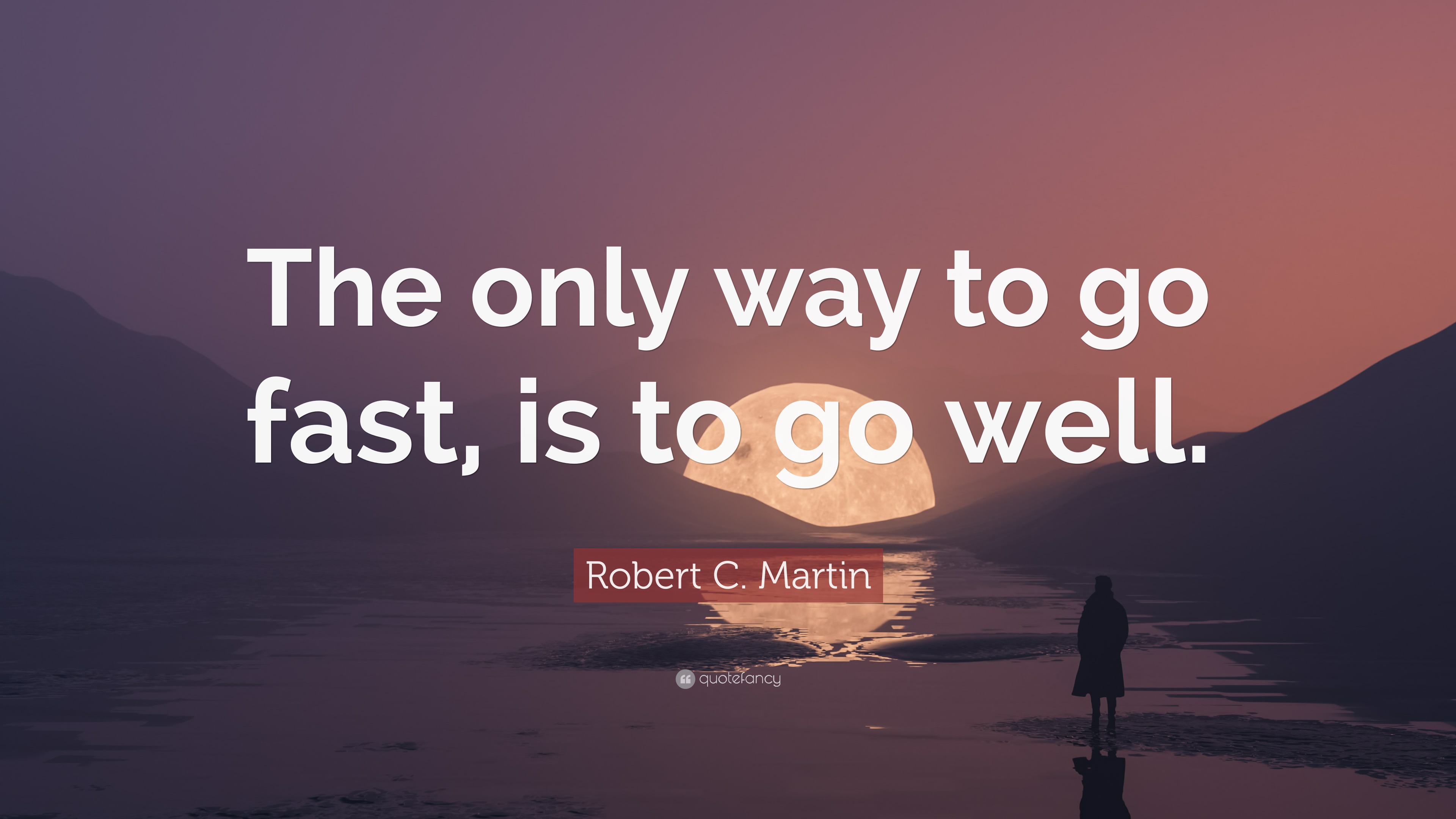
“We are tired of writing crap.” These five words, penned by Robert C. Martin (Uncle Bob) in his seminal 2011 blog post, capture the essence of an entire movement that has quietly revolutionized how we think about software development. But this isn’t just about code—it’s about professional responsibility, customer service, and the ripple effects of our digital choices on the world around us.
Inspiration: This article draws insights from Robert C. Martin’s influential blog post “What Software Craftsmanship is about”, exploring its relevance for today’s developers and businesses.
The Hidden Cost of “Good Enough” Software
Picture this: It’s 2 AM, and you’re frantically trying to submit your tax return before the deadline. The government website crashes. Again. You refresh, enter your data for the third time, and watch it disappear into the digital void. Sound familiar?
This isn’t just an inconvenience—it’s a symptom of a much larger problem that costs our global economy billions and affects every person who touches technology (which is, essentially, everyone).
When Uncle Bob declared war on “crap code” in 2011, he wasn’t being dramatic. He was articulating what every user experiences but can’t quite name: the frustration of living in a world built on hastily constructed digital foundations.
What Software Craftsmanship Really Means
It’s Not About Code Worship
Contrary to popular misconceptions, software craftsmanship isn’t about:
- ✗ Obsessing over perfect code while ignoring business needs
- ✗ Creating complex solutions for simple problems
- ✗ Elitist attitudes toward other developers
- ✗ Pursuing technical elegance at the expense of deadlines
It’s About Professional Responsibility
Software craftsmanship is about:
- Customer respect: Building software that actually works when people need it
- Employer value: Creating maintainable systems that don’t become liability nightmares
- Team collaboration: Writing code that your colleagues can understand and modify
- Personal integrity: Taking pride in your professional output

The Real-World Impact of Quality Code
For Customers: The Difference Between Delight and Despair
Quality software doesn’t just work—it anticipates needs, handles edge cases gracefully, and respects users’ time and data. When we write clean, well-tested code:
- Healthcare systems can process patient records without life-threatening delays
- Banking applications protect financial data while remaining accessible
- Educational platforms help students learn instead of fight with buggy interfaces
- E-commerce sites complete transactions reliably, supporting livelihoods
For Employers: The Economics of Excellence
Poor code quality isn’t just a technical debt—it’s financial quicksand:
// The True Cost of Rushed Code
Technical Debt = Initial Time Saved × Interest Rate × Time
Where Interest Rate ≈ 2-10x (based on industry studies)

Example:
Skipping tests saves 2 hours initially
Debugging and fixing later costs 20-40 hours
Net loss: 18-38 hours per "shortcut"
Quality-focused development delivers:
- Predictable releases that hit market windows
- Reduced support costs from fewer production issues
- Faster feature development on stable foundations
- Competitive advantages through reliable software
For Society: The Ripple Effects of Our Choices
Every line of code we write potentially affects thousands or millions of people. When we choose quality:
- Democracy functions better with reliable voting systems
- Climate change efforts succeed with accurate data processing
- Small businesses thrive with dependable tools
- Innovation flourishes on solid digital infrastructure

The Professional Practice Revolution
Beyond Just Coding
Professional software developers, like other skilled practitioners, understand that excellence requires continuous improvement:
Musicians don’t just perform—they practice scales, study theory, and learn from masters. Athletes don’t just compete—they train fundamentals, analyze performance, and push limits. Doctors don’t just treat patients—they study new techniques, attend conferences, and collaborate.
So why would software developers be different?
The Practice Manifesto
Modern software craftsmanship embraces:
- Code Katas: Deliberate practice of fundamental programming skills
- Study Groups: Learning from industry experts and classic texts
- Code Reviews: Collaborative improvement and knowledge sharing
- Testing First: Building confidence through comprehensive test coverage
- Refactoring: Continuously improving code quality without changing behavior
Busting the Speed Myths
The “Fast vs. Good” False Dilemma
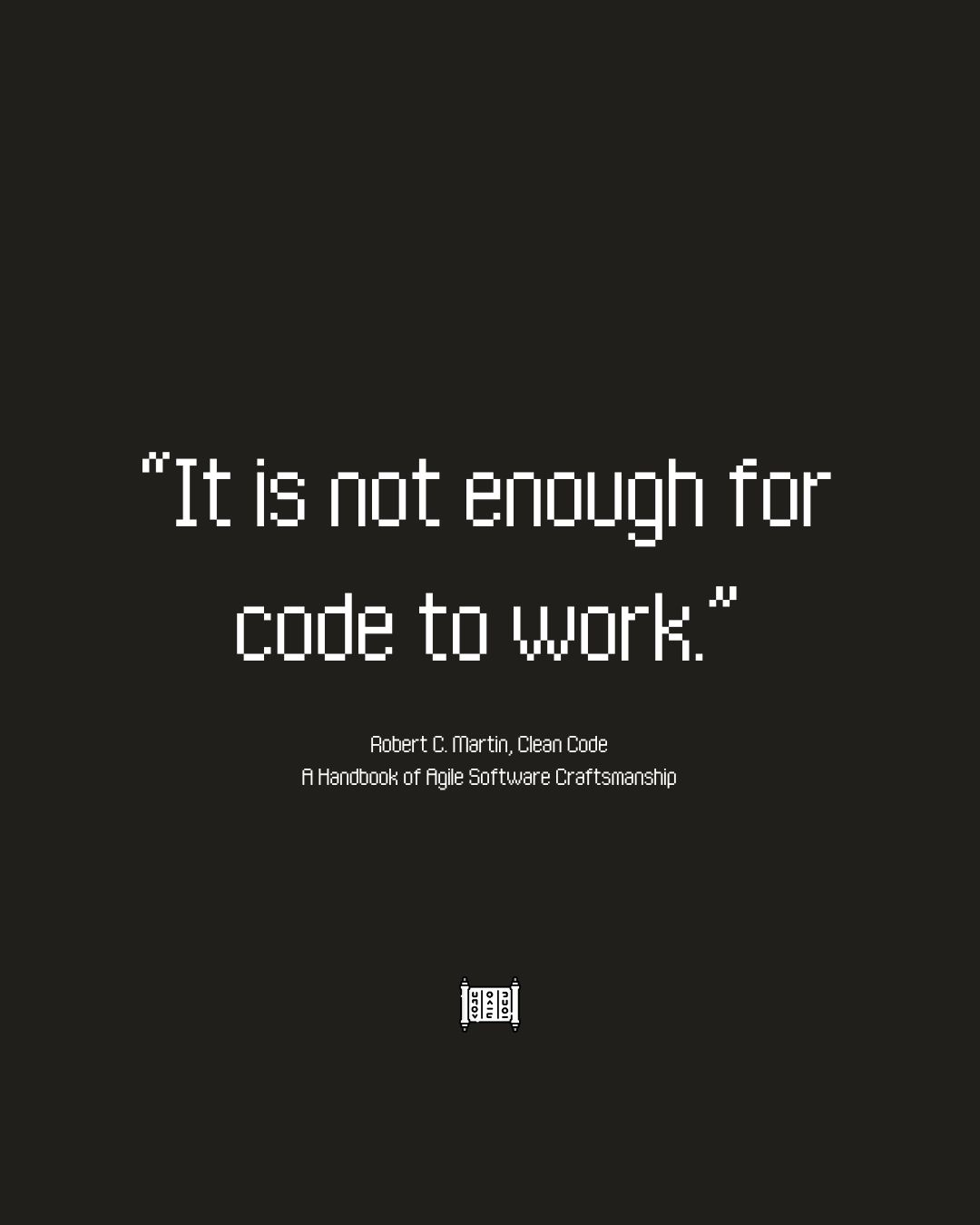
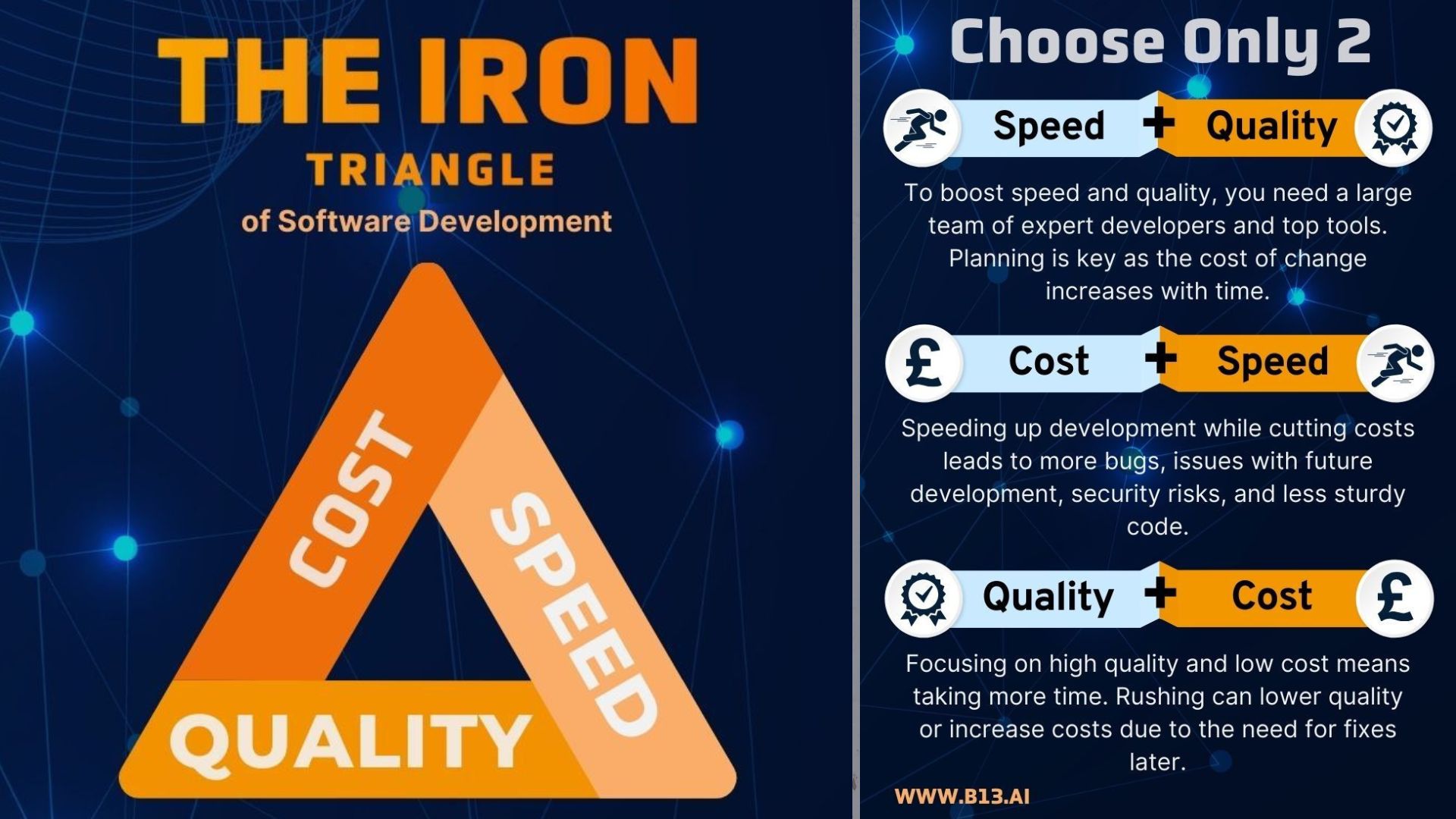
One of the most persistent myths in software development is that quality and speed are mutually exclusive. This is demonstrably false:
Short-term reality: Clean code might take 10% longer to write initially Long-term reality: Clean code saves 200-500% time on maintenance and extensions
// Quick and dirty approach
function processUser(data) {
    // TODO: Add validation later
    // TODO: Handle edge cases
    // TODO: Add logging
    return data.name + ":" + data.id;
}

// Professional approach
function formatUserDisplay(userData) {
    validateUserData(userData);
    logUserProcessing(userData.id);
    return `${userData.name}:${userData.id}`;
}
The Compound Interest of Quality
Quality code compounds like financial investments:
- Week 1: 10% slower to write
- Month 1: Break-even point
- Year 1: 200% faster development
- Year 3: 500% faster development
The Green Wristband Philosophy
Uncle Bob mentions developers wearing green wristbands with messages like “Clean Code” or “Test First.” This isn’t about joining a tribe—it’s about public accountability to professional standards.
Personal Commitment, Universal Benefit
When a developer commits to craftsmanship, they’re making promises:
To themselves: “I will write code I’m proud of” To their team: “I will make your job easier, not harder” To their employer: “I will create assets, not liabilities” To users: “I will respect your time and trust”
The Ripple Effect of Individual Excellence
One craftsperson can transform an entire team:
- Code reviews become learning opportunities instead of blame sessions
- Testing becomes a safety net instead of a chore
- Documentation becomes helpful instead of outdated
- Estimates become reliable instead of wishful thinking
Modern Applications of Timeless Wisdom
Grandma’s Programming Advice
Uncle Bob references timeless wisdom that applies perfectly to software development:
“Anything worth doing is worth doing well” → If software is important enough to build, it’s important enough to build right
“Slow and steady wins the race” → Consistent quality practices beat heroic debugging marathons
“Measure twice, cut once” → Think through design before implementing; write tests before coding
“Practice, practice, practice” → Continuous learning and skill development never end
Applying Craftsmanship in Modern Development
In Agile environments: Quality isn’t negotiable, even with tight sprints In startup culture: Technical debt is real debt with real interest rates In enterprise settings: Maintainability matters more than clever solutions In remote work: Clear, readable code becomes even more critical
The Path Forward: Your Craftsmanship Journey
Starting Your Practice
- Choose one practice: Start with test-driven development or regular refactoring
- Find a mentor: Learn from experienced craftspeople
- Join a community: Participate in code reviews and study groups
- Practice regularly: Dedicate time to skill development outside work projects
- Teach others: Share knowledge to reinforce your own learning
Measuring Progress
Track your improvement through:
- Bug rates: Fewer issues in production
- Code review feedback: More positive, constructive discussions
- Development speed: Faster implementation of new features
- Team dynamics: Better collaboration and knowledge sharing
- Personal satisfaction: Pride in your professional output
The Bigger Picture: Software as Service
Ultimately, software craftsmanship isn’t about technology—it’s about service. Every application we build, every system we design, every line of code we write serves real people with real needs.
When we choose craftsmanship, we choose to serve better:
- Customers get reliable, delightful experiences
- Colleagues inherit maintainable, understandable code
- Employers receive valuable, lasting digital assets
- Society benefits from dependable digital infrastructure
Your Professional Promise
The software craftsmanship movement asks one simple question: Are you tired of writing crap?
If the answer is yes, then you’re ready to join the quiet revolution of professionals who refuse to accept “good enough” as good enough.
This isn’t about perfection—it’s about intention. It’s about choosing to do better because someone, somewhere, is counting on the software we build to work when they need it most.
The next time you’re tempted to take a shortcut, remember: somewhere out there is a person trying to pay their bills, submit their homework, or check on their elderly parent using software that someone just like you built.
What kind of software do you want to give them?
Special thanks to Robert C. Martin (Uncle Bob) for his influential work on software craftsmanship and clean code principles. His insights continue to shape how we think about professional software development. Learn more about his philosophy at Clean Coder Blog.