

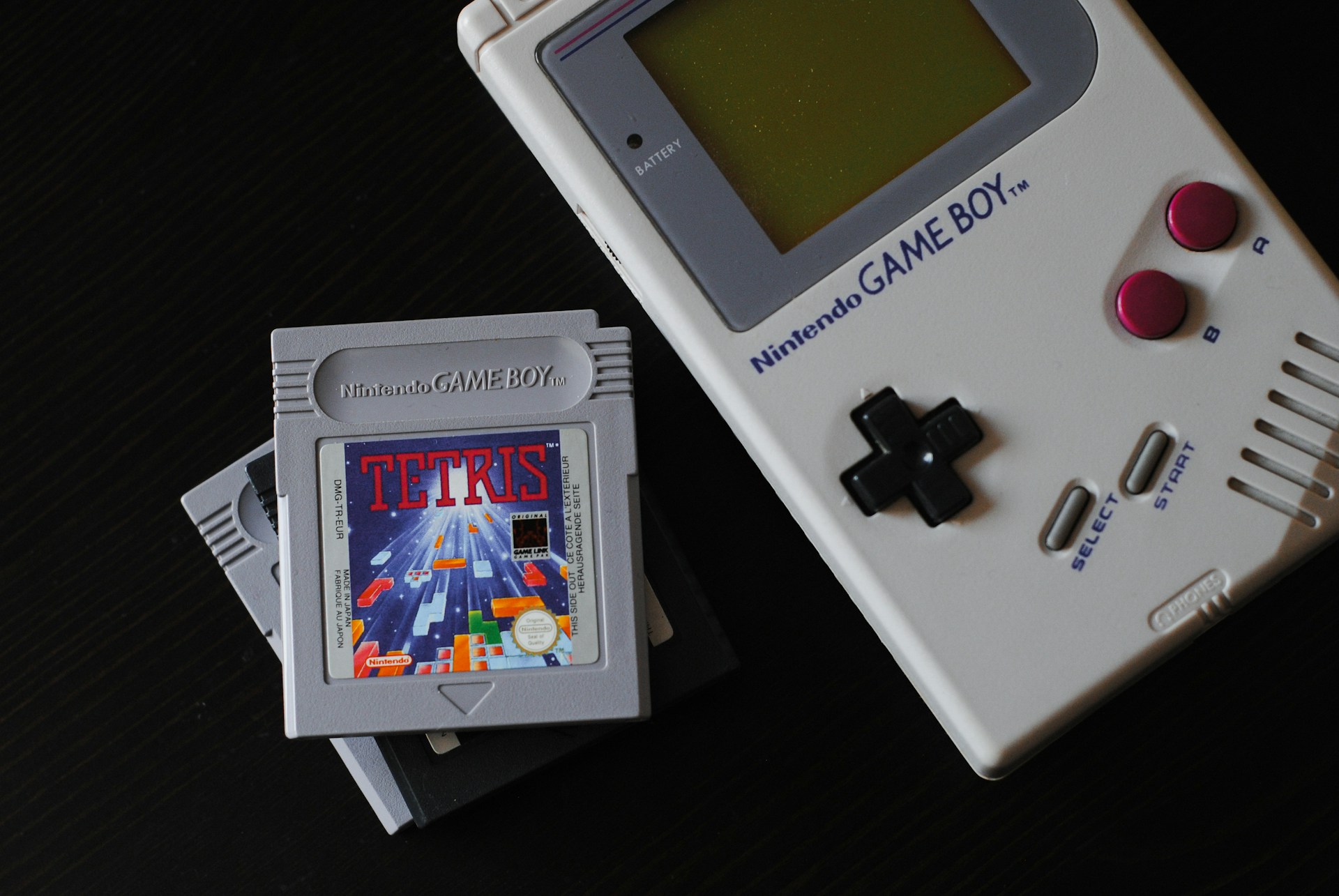

Gamification in Education: Transforming Learning Through Play
Gamification has emerged as a revolutionary approach in education, transforming how students of all ages engage with learning content. By applying game design elements and principles to educational contexts, educators can create compelling learning experiences that drive student motivation, improve learning outcomes, and foster lifelong learning habits.
Understanding Educational Gamification
Core Learning Principles
Game Mechanics in Learning
- Points and scoring systems for achievement tracking and progress monitoring
- Badges and achievements for milestone recognition and skill mastery
- Leaderboards for healthy competition and peer motivation
- Progress bars and level systems for clear learning path visualization
Educational Psychology Drivers
- Intrinsic motivation through autonomy and mastery in learning
- Social connection and collaborative learning communities
- Clear learning objectives and immediate feedback
- Sense of accomplishment and academic achievement
Learning Design Elements
- Habit formation through consistent educational engagement
- Progressive difficulty and scaffolded skill development
- Reward schedules that reinforce positive learning behaviors
- Choice architecture that guides effective learning decisions
Educational Applications
Student Engagement Outcomes
- 89% increase in student participation and attendance
- 67% improvement in knowledge retention rates
- 45% boost in student motivation and satisfaction
- 33% reduction in learning anxiety and stress
Learning Effectiveness
- 150% increase in voluntary learning time
- 22% improvement in test scores and assessments
- 18% better long-term knowledge retention
- 25% increase in peer-to-peer learning activities
Educational Gamification Strategies
Early Childhood Education (Ages 3-8)

Interactive Learning Games
- Touch-Based Activities: Colorful animations and rewards for basic skill development
- Story-Based Adventures: Educational narratives with character progression and discoveries
- Social Skills Games: Cooperation challenges and sharing activities with peer recognition
- Motor Skills Training: Physical activity tracking with virtual pet care or garden growing
- Basic Literacy & Numeracy: Letter/number collection games with celebration animations
- Creative Expression: Art and music creation tools with gallery showcases and family sharing
Learning and Development Features
- Progressive Skill Building: Step-by-step learning paths with unlockable content
- Parent-Teacher Communication: Real-time progress sharing and milestone notifications
- Sensory Learning: Multi-modal experiences engaging sight, sound, and touch
- Positive Reinforcement: Immediate feedback and encouragement for effort and improvement
Classroom Management
- Behavior Tracking: Visual progress displays for following classroom rules
- Group Activities: Collaborative challenges that promote teamwork and communication
- Individual Recognition: Personal achievement celebrations that build self-confidence
- Learning Routines: Gamified daily schedules that make transitions fun and predictable
Elementary & Middle School (Ages 9-14)
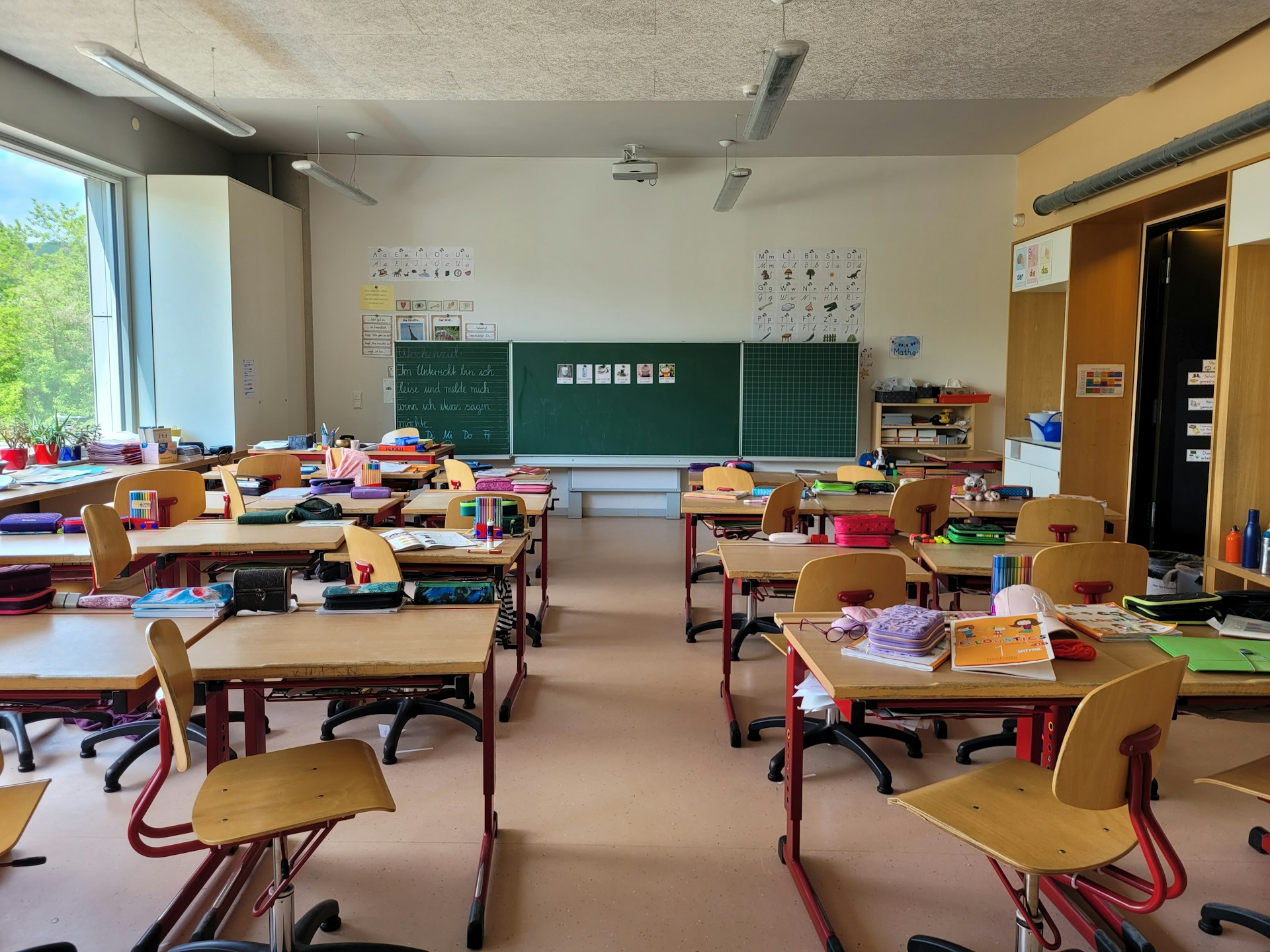
Subject Mastery Systems
- Math Adventures: Arithmetic and problem-solving presented as quest journeys
- Science Experiments: Virtual labs with hypothesis testing and discovery rewards
- Language Arts Quests: Reading comprehension and writing challenges with storytelling elements
- History Simulations: Role-playing historical events with decision-making consequences
- Geography Exploration: World discovery games with cultural learning achievements
- Art & Music Creation: Digital portfolios with peer showcasing and creative challenges
Collaborative Learning
- Team Projects: Group research challenges with shared goals and individual contributions
- Peer Tutoring: Student mentorship programs with recognition for both tutors and learners
- Class Competitions: Healthy academic competitions between groups with collaborative elements
- Knowledge Sharing: Student-created content libraries with voting and recognition systems
Digital Citizenship & Safety
- Online Safety Games: Scenario-based learning about internet safety and digital ethics
- Research Skills: Information literacy challenges with source verification and critical thinking
- Communication Etiquette: Digital communication games teaching respect and empathy
- Technology Skills: Coding and digital creation challenges with progressive complexity
High School & Young Adults (Ages 15-25)

Academic Excellence
- Course Mastery Paths: Advanced subject learning with certification achievements
- Research Projects: Independent investigation challenges with publication opportunities
- STEM Challenges: Engineering, coding, and scientific method competitions
- College Preparation: SAT/ACT prep with study streaks and improvement celebrations
- Portfolio Development: Academic and creative work showcases with peer and expert feedback
- Leadership Opportunities: Student government and organization leadership skill building
Career Exploration
- Professional Simulations: Industry-specific challenges and internship preparation
- Skill Certification: Professional development paths with industry-recognized credentials
- Networking Games: Professional relationship building and mentorship connections
- Financial Literacy: Budget management, investment simulations, and economic understanding
- Entrepreneurship: Business plan development and startup simulation challenges
- Community Service: Volunteer tracking with impact visualization and recognition programs
Life Skills Development
- Critical Thinking: Problem-solving scenarios with real-world applications
- Communication Skills: Public speaking, debate, and presentation challenges
- Cultural Competency: Global awareness and intercultural communication games
- Health & Wellness: Physical and mental health tracking with peer support systems
- Time Management: Academic planning and productivity optimization tools
- Digital Portfolio: Comprehensive skill and achievement documentation for college and career
Educational Technology Platforms
Popular Learning Management Systems

Comprehensive Learning Platforms
- Khan Academy: Mastery-based learning with energy points and achievement badges across all subjects
- Duolingo: Language learning with streaks, XP points, and competitive leagues for world languages
- ClassDojo: Classroom behavior management with real-time feedback and parent communication tools
- Google Classroom: Assignment management with achievement tracking and collaborative features
- Schoology: LMS with gamified gradebooks, badges, and student engagement analytics
- Canvas: Advanced learning management with game-based assessment and progress visualization
Subject-Specific Platforms
- Prodigy Math: Curriculum-aligned math games with fantasy adventure elements for K-8
- CodeCombat: Programming education through RPG-style coding challenges and adventures
- DragonBox: Mathematical concept learning through intuitive game mechanics for all ages
- Scratch: Visual programming platform with project sharing and remix culture for creativity
- Minecraft Education: Block-based learning environment with collaborative world building
- Kahoot!: Interactive quiz platform with real-time competition and team challenges
Assessment & Testing
- Quizizz: Gamified assessment with student-paced learning and immediate feedback
- Socrative: Real-time formative assessment with interactive polling and games
- Gimkit: Student-created quiz games with earning and spending virtual currency
- Blooket: Question-based learning games with multiple game modes and student engagement
- Flipgrid: Video discussion platform with creative challenges and peer interaction
- Padlet: Collaborative digital boards with gamified content creation and sharing
Age-Specific Learning Solutions
Early Childhood (Ages 3-8)
- ABCmouse: Comprehensive early learning curriculum with step-by-step path progression
- Starfall: Reading and phonics games with interactive stories and activities
- PBS Kids Games: Educational games featuring beloved characters with learning objectives
- Duck Duck Moose Apps: Creative learning apps for literacy, numeracy, and problem-solving
- Toca Boca: Open-ended play apps that encourage creativity and exploration
- BrainPOP Jr.: Animated educational videos with interactive activities and assessments
Elementary & Middle School (K-8)
- IXL Learning: Personalized practice with real-time diagnostic and comprehensive reporting
- Reflex Math: Fact fluency games that adapt to individual student needs and progress
- Reading Eggs: Comprehensive reading program with games, e-books, and progress tracking
- Mystery Science: Hands-on science lessons with mystery-based learning and exploration
- Typing Club: Keyboarding skills development with games and progress tracking
- BrainPOP: Educational videos and activities covering all academic subjects
High School & Beyond (Ages 14+)
- Coursera: University-level courses with completion certificates and peer interaction
- edX: High-quality education from top universities with verified certificates available
- Codecademy: Programming education with hands-on projects and skill verification
- Rosetta Stone: Immersive language learning with speech recognition and cultural context
- MasterClass: Expert-led learning with community discussions and project assignments
- LinkedIn Learning: Professional development courses with skill assessments and badges
Implementation Framework
Strategy Development

Learning Objective Alignment
- Curriculum Standards: Clear connection between game elements and educational standards
- Learning Outcome Identification: Specific skills and knowledge to develop through gamification
- Assessment Integration: Measurable learning goals and progress indicators
- Stakeholder Buy-in: Teacher, administrator, parent, and student support for implementation
Student Analysis
- Learner Profile Development: Understanding student motivations, preferences, and learning styles
- Differentiation Strategy: Tailored experiences for different learning needs and abilities
- Motivation Mapping: Identifying intrinsic and extrinsic motivators for different age groups
- Engagement Patterns: Analysis of current learning behaviors and interaction preferences
Pedagogical Design Principles
- Learning Loop Design: Repeatable educational sequences that reinforce key concepts
- Progression Systems: Clear advancement paths through curriculum and skill development
- Feedback Mechanisms: Immediate response to student actions and learning achievements
- Social Learning Elements: Collaborative features and peer-to-peer learning opportunities
Classroom Integration
Teacher Training & Support
- Professional Development: Comprehensive training on gamification principles and implementation
- Technology Integration: Support for learning new platforms and tools effectively
- Curriculum Alignment: Guidance on connecting gamified activities to learning standards
- Assessment Strategies: Training on evaluating student progress through gamified learning
- Troubleshooting Support: Ongoing technical and pedagogical assistance for educators
- Best Practice Sharing: Community of practice for sharing successful implementation strategies
Student Onboarding
- Digital Citizenship: Teaching responsible use of gamified learning platforms
- Goal Setting: Helping students set personal learning objectives and track progress
- Collaboration Skills: Training in effective peer learning and team project participation
- Self-Regulation: Developing skills for managing screen time and learning balance
- Achievement Understanding: Explaining how badges, points, and levels connect to real learning
- Reflection Practices: Regular opportunities for students to assess their own learning journey
Parent & Family Engagement
- Home-School Connection: Extending gamified learning experiences to home environments
- Progress Communication: Regular updates on student achievements and learning milestones
- Family Learning Activities: Gamified challenges that involve parents and siblings
- Technology Guidelines: Support for establishing healthy technology use at home
- Learning Celebration: Opportunities for families to recognize and celebrate achievements
- Feedback Systems: Channels for parent input on student engagement and learning effectiveness
Psychological Principles in Educational Gamification
Learning Motivation Theory
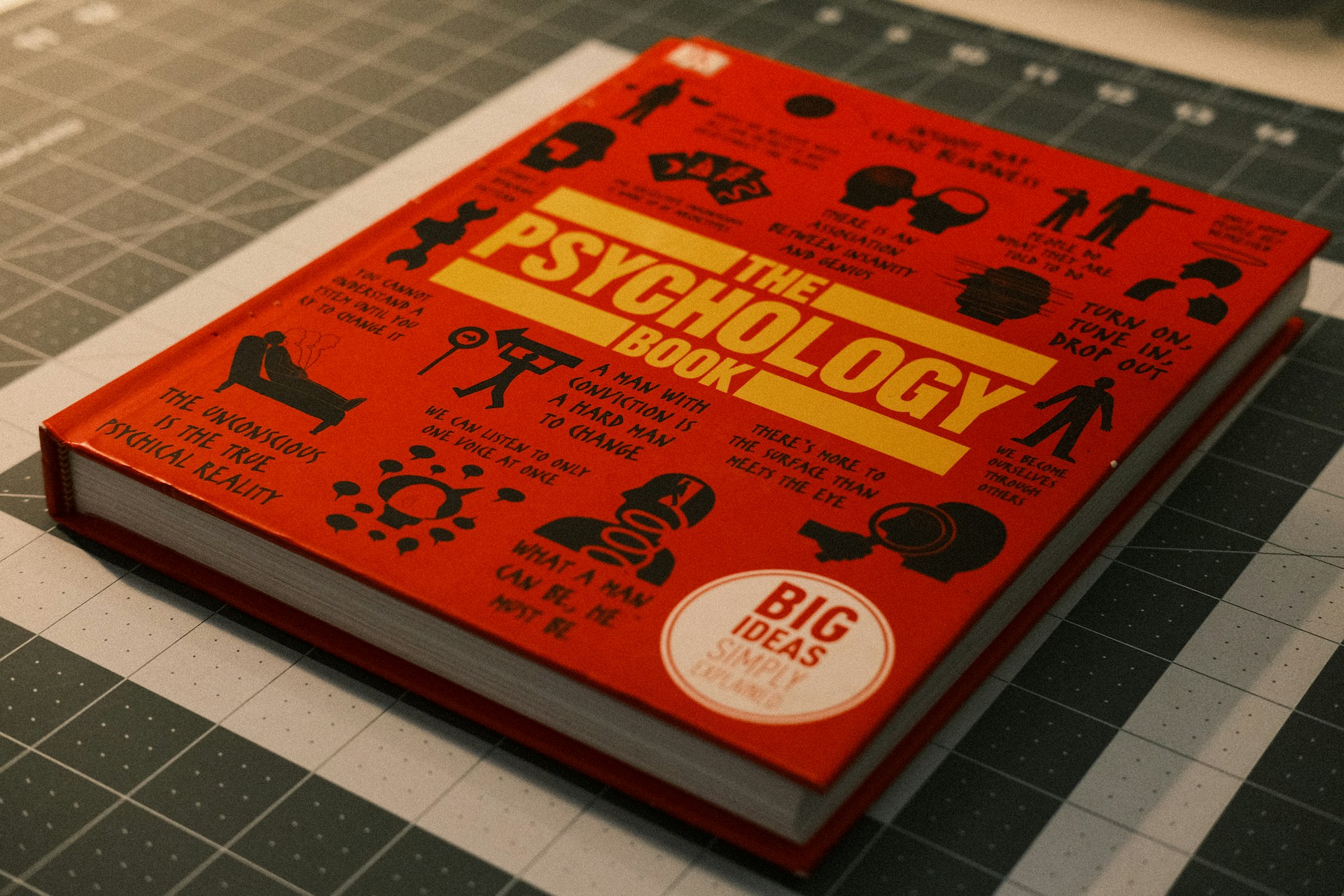
Self-Determination Theory in Education
- Autonomy in Learning: Student choice and control over learning pace and path
- Competence Development: Skill building and mastery through progressive challenges
- Relatedness in Classroom: Social connection and learning community building
- Intrinsic Motivation: Internal satisfaction and curiosity-driven learning focus
Flow Theory for Optimal Learning
- Challenge-Skill Balance: Appropriate difficulty matching student capabilities and growth zones
- Clear Learning Goals: Specific, achievable objectives with defined success criteria
- Immediate Educational Feedback: Real-time response to learning actions and decisions
- Deep Learning Engagement: Immersive experiences that maintain student attention and focus
Cognitive Load Theory Application
- Information Processing: Managing cognitive demands to optimize learning efficiency
- Scaffolded Learning: Breaking complex concepts into manageable, sequential steps
- Multimedia Principles: Combining visual, auditory, and kinesthetic learning modalities
- Attention Management: Designing game elements that focus rather than distract from learning
Engagement Mechanics for Learning
Achievement Systems in Education
- Learning Milestone Recognition: Celebrating significant academic accomplishments and progress markers
- Study Streak Maintenance: Consecutive learning session rewards encouraging regular study habits
- Knowledge Collection: Badge gathering for mastering different concepts and skill sets
- Mastery Progression: Academic level advancement and subject expertise recognition
Social Learning Dynamics
- Healthy Academic Competition: Leaderboards and challenges that motivate without discouraging
- Collaborative Learning: Team-based projects and cooperative problem-solving achievements
- Learning Community Building: Student forums, study groups, and peer interaction features
- Peer Recognition: Academic appreciation and acknowledgment systems among classmates
Measuring Educational Success
Learning Assessment Metrics

Academic Performance Indicators
- Learning Outcome Achievement: Mastery of specific curriculum standards and objectives
- Knowledge Retention Rates: Long-term retention of learned concepts and skills
- Skill Application: Ability to transfer learning to new contexts and real-world situations
- Critical Thinking Development: Growth in analytical and problem-solving capabilities
Engagement and Motivation Metrics
- Class Participation: Active involvement in discussions, activities, and collaborative work
- Voluntary Learning Time: Self-directed study and exploration beyond required assignments
- Assignment Completion: Timely submission and quality of academic work
- Attendance and Punctuality: Regular classroom presence and engagement consistency
Social and Emotional Learning
- Collaboration Skills: Effectiveness in team projects and peer learning situations
- Communication Development: Growth in verbal, written, and digital communication abilities
- Self-Regulation: Improvement in time management, goal setting, and learning independence
- Empathy and Social Awareness: Development of interpersonal skills and cultural understanding
Analytics and Continuous Improvement
Learning Data Collection
- Student Progress Tracking: Detailed logging of learning activities and achievement progression
- Engagement Pattern Analysis: Understanding how students interact with different learning materials
- Assessment Performance: Regular evaluation of learning outcomes and skill development
- Feedback Integration: Student, teacher, and parent input on learning experience effectiveness
Educational Optimization
- Curriculum Refinement: Regular updates to learning content based on student performance data
- Teaching Method Enhancement: Improving instructional strategies based on engagement analytics
- Technology Integration: Optimizing digital tools and platforms for maximum learning benefit
- Personalized Learning Paths: Customizing educational experiences based on individual student needs
Common Educational Challenges and Solutions
Implementation Challenges

Over-Gamification in Learning
- Problem: Excessive game elements overwhelming students and detracting from core learning objectives
- Solution: Balanced integration focusing on meaningful educational rewards and natural learning progression
- Best Practice: Start with simple gamification elements and gradually introduce additional features based on student feedback and learning outcomes
Technology Access and Equity
- Problem: Unequal access to devices and internet connectivity affecting student participation
- Solution: Hybrid approaches combining digital and analog gamification, device lending programs, and offline alternatives
- Best Practice: Ensure all gamified learning activities have non-digital alternatives and provide technology support for disadvantaged students
Assessment and Grading Integration
- Problem: Difficulty aligning gamified learning with traditional assessment and grading systems
- Solution: Competency-based assessment models that recognize skill mastery through multiple pathways
- Best Practice: Develop clear rubrics that connect game achievements to learning standards and academic progress
Pedagogical Challenges
Student Motivation Sustainability
- Challenge: Maintaining long-term engagement without creating dependency on external rewards
- Solution: Gradual transition from extrinsic to intrinsic motivation through meaningful learning connections
- Strategy: Focus on personal growth, skill mastery, and real-world application rather than just points and badges
Differentiated Learning Needs
- Challenge: Meeting diverse learning styles, abilities, and interests within a single gamified system
- Solution: Multiple pathway designs with adaptive difficulty and various achievement types
- Approach: Offer choice in learning activities, assessment methods, and collaboration opportunities
Teacher Professional Development
- Challenge: Educators need training and support to effectively implement gamification strategies
- Solution: Comprehensive professional development programs with ongoing mentorship and community support
- Implementation: Provide time for teacher collaboration, experimentation, and reflection on gamification practices
Future Trends in Educational Gamification
Emerging Educational Technologies

Artificial Intelligence in Learning
- Personalized Learning Experiences: AI-driven customization based on individual student learning patterns and preferences
- Adaptive Assessment: Dynamic testing that adjusts difficulty and content based on real-time performance
- Intelligent Tutoring Systems: AI mentors that provide personalized guidance and support for individual learners
- Predictive Learning Analytics: Anticipating student needs and identifying at-risk learners for early intervention
- Natural Language Processing: Conversational AI assistants for homework help and learning support
- Automated Content Generation: AI-created learning materials tailored to specific curriculum needs and student interests
Virtual and Augmented Reality Learning
- Immersive Learning Environments: VR field trips, historical simulations, and scientific exploration experiences
- Spatial Learning: 3D visualization of complex concepts in mathematics, science, and engineering
- Virtual Laboratories: Safe, cost-effective experimentation in chemistry, physics, and biology
- Cultural Immersion: Language learning through virtual cultural experiences and authentic interactions
- Collaborative Virtual Spaces: Shared learning environments for group projects and peer interaction
- Accessibility Enhancement: VR/AR solutions for students with physical disabilities or learning differences
Blockchain and Digital Credentials
- Verified Learning Achievements: Blockchain-based certificates and badges with tamper-proof verification
- Portable Academic Records: Student ownership of educational credentials across institutions and platforms
- Micro-Credentialing: Fine-grained skill recognition and stackable learning achievements
- Peer-to-Peer Learning Networks: Decentralized learning communities with reputation systems
- Smart Contracts for Education: Automated learning pathways and achievement recognition systems
- Global Learning Verification: International recognition of learning achievements and skill development
Educational Innovation
Personalized Learning Ecosystems
- Individual Learning Journeys: Customized educational paths based on student interests, goals, and learning styles
- Cross-Curricular Integration: Gamified learning experiences that connect multiple subject areas naturally
- Real-World Problem Solving: Project-based learning addressing actual community and global challenges
- Student Agency: Increased student control over learning objectives, pace, and assessment methods
- Mentor Networks: AI and human mentor combinations providing comprehensive learning support
- Competency-Based Progression: Moving beyond age-based grade levels to skill-based advancement
Global Learning Communities
- International Collaboration: Cross-cultural learning projects connecting students worldwide
- Language Exchange Programs: Gamified language learning through authentic peer interactions
- Virtual Exchange: Digital sister school relationships and collaborative learning initiatives
- Cultural Competency Games: Understanding and appreciating diverse perspectives and traditions
- Global Citizenship Education: Learning about world issues through interactive simulations and projects
- Sustainable Development Goals: Gamified learning focused on environmental and social responsibility
Best Practices for Educational Gamification
Design Principles for Learning

Student-Centered Approach
- Learning Style Recognition: Understanding diverse ways students process and retain information
- Interest-Based Learning: Connecting game elements to student passions and curiosities
- Accessibility and Inclusion: Ensuring all students can participate regardless of abilities or backgrounds
- Cultural Responsiveness: Incorporating diverse perspectives and culturally relevant content
Meaningful Learning Integration
- Curriculum Alignment: Clear connection between game activities and educational standards
- Skill Transfer: Focus on developing abilities that extend beyond the gamified environment
- Real-World Application: Connecting learning achievements to practical life skills and career preparation
- Critical Thinking Emphasis: Games that promote analysis, evaluation, and creative problem-solving
Ethical Considerations
- Data Privacy Protection: Safeguarding student information and learning analytics responsibly
- Screen Time Balance: Promoting healthy technology use and digital wellness habits
- Inclusive Design: Ensuring gamification doesn’t exclude or disadvantage any student groups
- Transparency: Clear communication about how gamification supports learning objectives
Implementation Strategy for Schools
Systematic Rollout
- Pilot Programs: Small-scale testing with willing teachers and engaged student groups
- Professional Learning Communities: Teacher collaboration and peer support for implementation
- Gradual Expansion: Progressive rollout to additional classrooms and grade levels
- Community Engagement: Involving parents, administrators, and community members in the process
- Resource Planning: Ensuring adequate technology, training, and support for successful implementation
- Evaluation and Adjustment: Regular assessment and refinement of gamification strategies
Stakeholder Engagement
- Administrative Support: Leadership commitment to gamification as a learning enhancement strategy
- Teacher Champions: Identifying and supporting early adopters who can mentor other educators
- Student Voice: Including student input in design and implementation decisions
- Parent Education: Helping families understand and support gamified learning at home
- Community Partnerships: Connecting with local organizations for real-world learning opportunities
- Ongoing Communication: Regular updates on implementation progress and student outcomes
Conclusion
Educational gamification represents a transformative approach to learning that harnesses the natural human inclination for play to enhance educational experiences. When implemented thoughtfully with clear learning objectives, student-centered design, and meaningful assessment, gamification can drive significant improvements in:
- Student Engagement with measurable increases in participation, motivation, and time-on-task
- Learning Outcomes through improved knowledge retention, skill development, and academic achievement
- 21st Century Skills including collaboration, communication, creativity, and critical thinking
- Lifelong Learning Habits fostering curiosity, self-direction, and continuous skill development
Success in educational gamification requires careful balance between engagement and learning, ensuring that game elements enhance rather than distract from educational objectives. The future of education lies in personalized, adaptive learning experiences that meet individual student needs while building strong learning communities and achieving meaningful educational outcomes.
Educational institutions that embrace gamification as part of their pedagogical toolkit will be better positioned to engage modern learners, develop essential skills, and prepare students for success in an increasingly digital and interconnected world.
Ready to transform your educational approach through gamification? Contact LLL Inc. for expert consultation on educational gamification strategy, implementation, and optimization for your school or educational organization.