In a world where tech giants control every aspect of our digital lives, imagine software that serves you instead of corporate shareholders. This isn’t a utopian dream—it’s the reality of free software, a revolutionary movement that has quietly powered the internet, smartphones, and countless innovations for decades.
The Great Digital Divide: Control vs. Being Controlled
Picture this scenario: You buy a car, but the manufacturer retains the right to decide where you can drive, when you can start the engine, and who can repair it. Sounds absurd? Yet this is exactly how most software works today.
Free software flips this power dynamic entirely. As Richard Stallman, the movement’s founder, puts it: “With software, there are just two possibilities—either the users control the program, or the program controls the users.”
When you use proprietary software, you’re essentially renting digital tools under someone else’s terms. Free software? You own your digital experience.
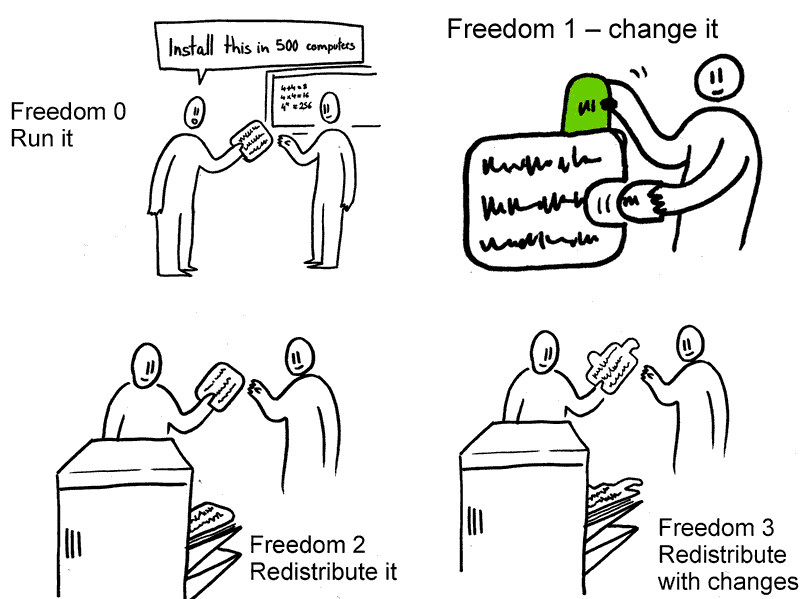
Free software isn’t defined by price tags—it’s defined by freedom. Four essential freedoms form the foundation of user empowerment: Freedom 0 (run as you wish), Freedom 1 (study and modify), Freedom 2 (share exact copies), and Freedom 3 (share your improvements). These freedoms ensure that users, not corporations, control their digital destiny.
Why This Matters: Real-World Impact
Free software delivers tangible benefits that proprietary alternatives simply can’t match. When code is open, thousands of developers worldwide can spot security flaws, while proprietary software forces you to trust a single company’s competence and honesty. Your data stays truly yours—no more worrying about subscription cancellations, company bankruptcies, or sudden policy changes holding your files hostage.
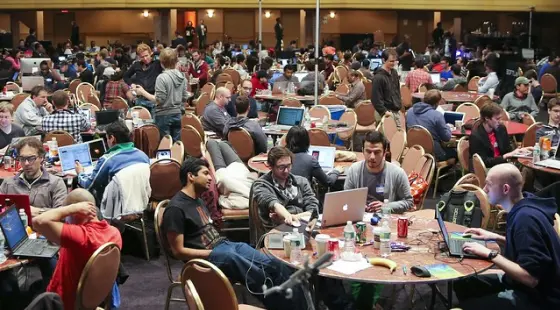
Projects like Linux, Firefox, and Apache have driven more innovation than most corporate R&D departments combined, proving that when brilliant minds collaborate freely, magic happens. Perhaps most importantly, free software democratizes access to powerful tools, ensuring that small businesses and developing nations aren’t locked out by expensive licensing fees.
The Hidden Trap: Computing in the Cloud
Modern tech companies have found a clever workaround to free software principles. Instead of giving you software to run on your own computer, they run it on their servers and rent you access to the results.
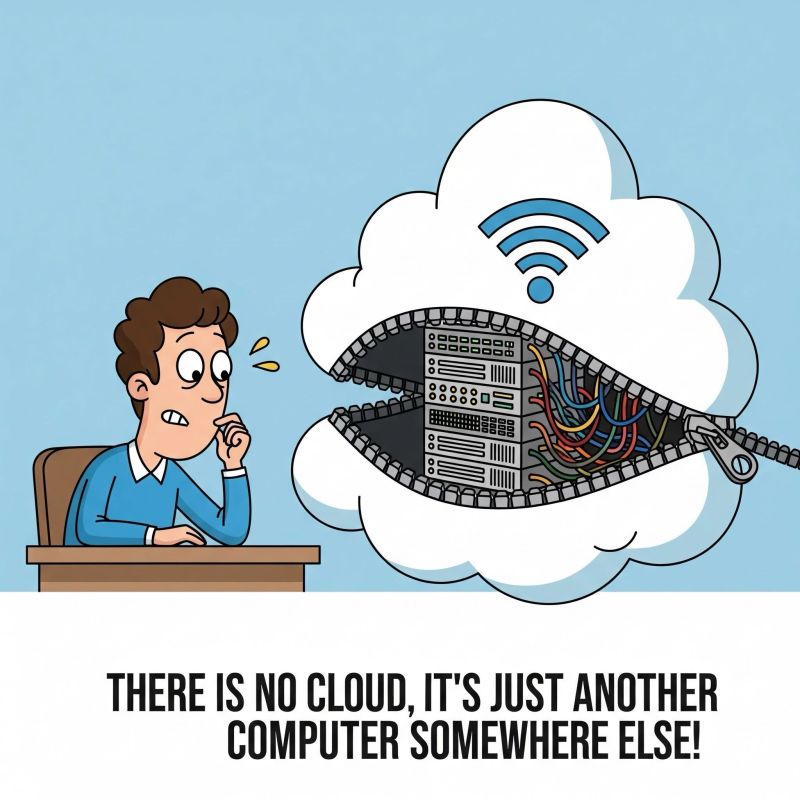
Stallman warns: “If you let your computing be done by somebody else’s server, then he controls your computing and you can’t.”
When you use web-based photo editing, document creation, or data analysis, you’re surrendering control. The company decides:
- What features you can access
- When the service gets updated (or discontinued)
- Who can see your data
- How much you’ll pay
The Freedom Alternative
Free software offers a different path:
For Individuals: Run powerful tools like LibreOffice, GIMP, or Blender without subscriptions or surveillance.
For Businesses: Build on solid foundations like Linux servers, PostgreSQL databases, and Apache web servers—tools that power most of the internet.
For Developers: Contribute to projects you use, fix bugs that annoy you, and build careers around technologies you can fully understand.
Beyond Code: A Philosophy for the Digital Age
Free software represents something deeper than technical preferences—it’s about digital self-determination. In an era where algorithms influence elections, surveillance capitalism mines our personal data, and platform monopolies control global communication, the principles of free software offer a roadmap for technological democracy.
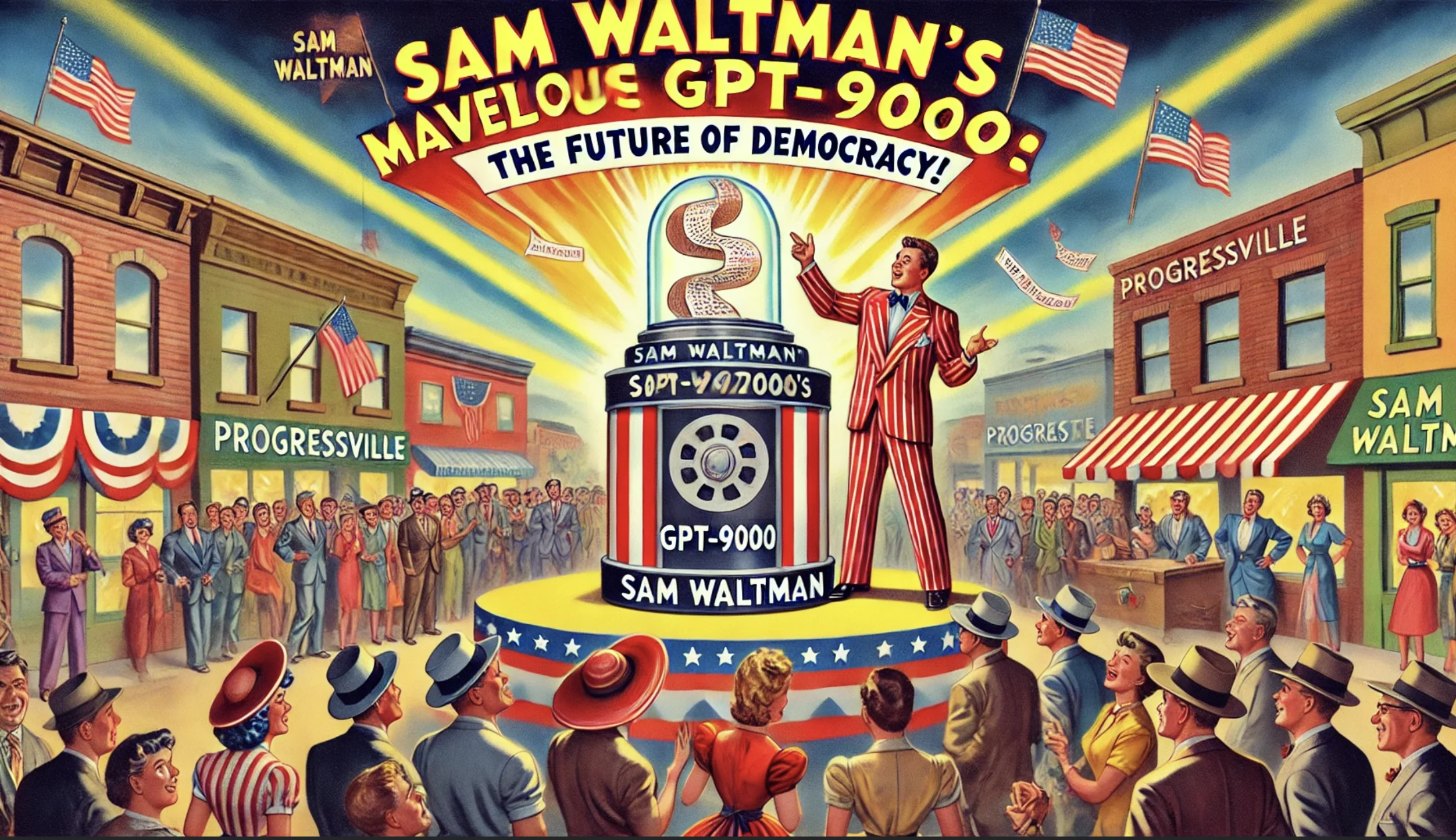 This might be over-analyzing it, but without free and open source software, we risk a future where closed-source AI systems control democratic processes, government decisions, and ultimately society itself—leaving citizens powerless against algorithmic tyranny they cannot examine, understand, or challenge. But hey, what could go wrong?
Every time you choose free software, you’re voting for:
- Transparency over opacity
- Collaboration over competition
- User rights over corporate profits
- Knowledge sharing over artificial scarcity
Getting Started: Your First Steps to Freedom
Ready to experience digital freedom? Start small:
- Browse with Firefox instead of Chrome
- Try LibreOffice for documents and spreadsheets
- Use VLC for media playback
- Explore Linux as a Windows/Mac alternative
Each free software tool you adopt makes you a little more independent, a little more secure, and a little more free.
The Future is Free
As artificial intelligence, IoT devices, and digital platforms become more central to human life, the choice between user control and corporate control becomes more critical. Free software isn’t just about better code—it’s about preserving human agency in an increasingly algorithmic world.
The four freedoms aren’t just programming principles; they’re digital rights that every computer user deserves. In 2025, as technology becomes more powerful and pervasive, these freedoms become more essential than ever.
🆓 Ready to take control of your digital life? The free software movement welcomes everyone—from curious beginners to seasoned developers. Because freedom, like knowledge, grows when shared.
Learn More: The Four Freedoms | Free Software Foundation
Recommended video on this topic: Why is free software important? - Richard Stallman