


Artificial Intelligence (AI) is no longer science fiction—it’s woven into the fabric of our daily lives, from the smartphone in your pocket to the recommendations you see online. Whether you’re 8 or 80, understanding AI is becoming as essential as understanding how to use the internet. This comprehensive guide will demystify artificial intelligence, explain its practical applications, and help you navigate an AI-powered world with confidence and knowledge.
What is Artificial Intelligence? Demystifying the Basics
Understanding AI in Simple Terms

Artificial Intelligence is essentially teaching computers to think and learn like humans—but faster and with access to vast amounts of information. Think of AI as a very smart assistant that can recognize patterns, make predictions, and solve problems.
Core AI Concepts Made Simple:
- Pattern Recognition: AI can identify similarities and differences in data, like recognizing your face in photos
- Learning from Experience: AI improves its performance by analyzing past examples and outcomes
- Decision Making: AI can choose the best option from many possibilities based on learned patterns
- Automation: AI can perform tasks without human intervention once it’s properly trained
- Prediction: AI can forecast future events based on historical data and current trends
- Natural Language Processing: AI can understand and generate human language
Why AI Matters in Your Daily Life:
- Convenience: AI makes technology more helpful and easier to use
- Efficiency: AI automates routine tasks, saving time and reducing errors
- Personalization: AI tailors experiences to your preferences and needs
- Safety: AI can detect dangers and prevent accidents in various situations
- Accessibility: AI makes technology more accessible to people with disabilities
- Innovation: AI enables new solutions to complex problems
Types of AI: From Simple to Sophisticated
Narrow AI (What We Use Today):
- Single-Purpose Systems: AI designed for specific tasks like voice recognition or recommendation systems
- Examples: Siri, Google Maps navigation, Netflix recommendations, spam email filters
- Characteristics: Very good at one thing, cannot transfer knowledge to other tasks
- Current Reality: This is the AI we interact with daily—specialized and task-focused
General AI (Future Possibility):
- Human-Like Intelligence: AI that could understand and learn any intellectual task a human can
- Theoretical Capability: Could transfer learning from one domain to another
- Current Status: Still in development and research phases
- Timeline: Experts disagree on when (or if) this will be achieved
AI vs. Machine Learning vs. Deep Learning:
- Artificial Intelligence: The broad field of making machines smart
- Machine Learning: A subset of AI where machines learn from data without being explicitly programmed
- Deep Learning: A subset of machine learning using neural networks inspired by the human brain
- Simple Analogy: AI is the goal, machine learning is the method, deep learning is a specific technique
AI in Everyday Life: Where You Already Encounter AI
Smartphones and Personal Devices
Voice Assistants:
- How They Work: Convert speech to text, understand intent, provide relevant responses
- Common Uses: Setting reminders, asking questions, controlling smart home devices
- Privacy Considerations: Understanding what data is collected and stored
- Improving Interaction: Speaking clearly, using specific commands, teaching preferences
Camera and Photo Features:
- Automatic Enhancement: AI adjusts lighting, color, and focus for better photos
- Face Recognition: Organizing photos by people, unlocking phones with Face ID
- Scene Detection: Identifying what you’re photographing and optimizing settings accordingly
- Real-Time Effects: Filters, portrait mode, and augmented reality features
Keyboard and Text Features:
- Predictive Text: Suggesting words and phrases as you type
- Auto-Correction: Fixing spelling mistakes and typos automatically
- Language Translation: Real-time translation of text and speech
- Smart Suggestions: Recommending responses in messaging apps
Entertainment and Media
Streaming Services:
- Content Recommendations: Netflix, Spotify, YouTube suggesting content you might enjoy
- How It Works: Analyzing viewing/listening history, preferences, and similar users’ choices
- Customization: Creating personalized playlists and viewing queues
- Discovery: Helping you find new content aligned with your interests
Social Media Platforms:
- News Feed Curation: Determining which posts appear in your timeline
- Content Moderation: Automatically detecting and removing inappropriate content
- Ad Targeting: Showing advertisements relevant to your interests and demographics
- Friend Suggestions: Recommending people you might know based on various factors
Gaming and Interactive Entertainment:
- Adaptive Difficulty: Games that adjust challenge level based on your performance
- Intelligent NPCs: Non-player characters that respond realistically to your actions
- Procedural Generation: AI creating unique game levels, worlds, or content
- Cheat Detection: Identifying unfair play in online gaming environments
Shopping and Commerce
E-commerce Platforms:
- Product Recommendations: “Customers who bought this also bought” suggestions
- Price Optimization: Dynamic pricing based on demand, competition, and inventory
- Search Functionality: Understanding natural language queries to find relevant products
- Fraud Detection: Identifying suspicious transactions and protecting accounts
Physical Retail:
- Inventory Management: Predicting demand and optimizing stock levels
- Customer Service Chatbots: Providing instant assistance for common questions
- Smart Checkout: Self-scanning systems and cashier-less stores
- Personalized Offers: Targeted promotions based on purchase history and preferences
How AI Learns: Machine Learning Made Simple
The Learning Process Explained

Data: The Foundation of AI Learning Think of data as the textbooks AI uses to learn. Just as students need quality educational materials, AI needs good data to make accurate decisions.
Training: Teaching AI Through Examples
- Supervised Learning: Like teaching with answer sheets—showing AI many examples with correct answers
- Unsupervised Learning: Like letting students discover patterns on their own without guidance
- Reinforcement Learning: Like learning through trial and error with rewards for good choices
The Learning Cycle:
- Data Collection: Gathering relevant information (like collecting photos of cats to teach AI what cats look like)
- Pattern Recognition: Finding common features and relationships in the data
- Model Creation: Building a mathematical representation of the patterns discovered
- Testing: Checking how well the AI performs on new, unseen examples
- Improvement: Adjusting the model based on performance and new data
Real-World Learning Examples
Email Spam Detection:
- Training Data: Thousands of emails labeled as “spam” or “not spam”
- Learning Process: AI identifies patterns in spam emails (certain words, sender patterns, etc.)
- Application: When new emails arrive, AI compares them to learned patterns to classify them
- Continuous Learning: As new spam techniques emerge, the system learns to recognize them
Medical Diagnosis Assistance:
- Training Data: Medical images (X-rays, MRIs) with doctor-confirmed diagnoses
- Learning Process: AI learns to recognize visual patterns associated with different conditions
- Application: Helping doctors spot potential issues in new medical images
- Human Oversight: AI assists but doesn’t replace medical professionals’ judgment
Language Translation:
- Training Data: Millions of text pairs in different languages
- Learning Process: Understanding how concepts translate between languages
- Application: Real-time translation of text, speech, and images
- Ongoing Improvement: Learning from user corrections and new language examples
Practical AI Applications: How AI Helps You
Transportation and Navigation
GPS and Navigation Systems:
- Traffic Prediction: Analyzing current traffic patterns to suggest fastest routes
- Route Optimization: Finding the most efficient path considering multiple factors
- Real-Time Adjustments: Updating directions based on changing conditions
- Learning Your Preferences: Remembering your preferred routes and travel times
Ride-Sharing Services:
- Driver-Passenger Matching: Optimally pairing drivers with nearby passengers
- Demand Prediction: Anticipating busy areas and times to position drivers
- Dynamic Pricing: Adjusting rates based on supply and demand
- Safety Features: Monitoring trips for unusual routes or behaviors
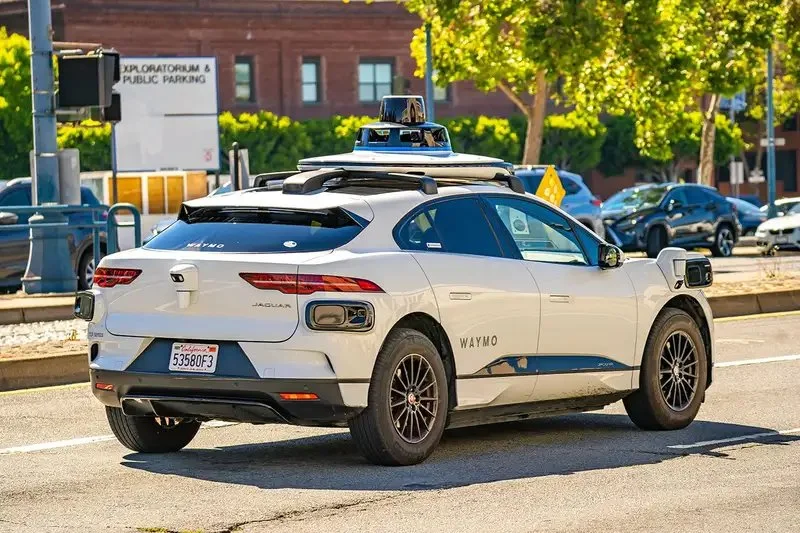
Autonomous Vehicles (Self-Driving Cars):
- Current Capabilities: Parking assistance, lane keeping, adaptive cruise control
- Sensor Fusion: Combining data from cameras, radar, and lidar for comprehensive awareness
- Decision Making: Processing complex traffic situations in real-time
- Future Potential: Fully autonomous driving in various conditions
Healthcare and Wellness
Personal Health Monitoring:
- Fitness Tracking: Analyzing activity patterns and providing personalized recommendations
- Sleep Analysis: Understanding sleep patterns and suggesting improvements
- Heart Rate Monitoring: Detecting irregularities and alerting to potential issues
- Medication Reminders: Smart systems that help ensure proper medication adherence
Telemedicine and Remote Care:
- Symptom Assessment: AI-powered questionnaires that help evaluate health concerns
- Appointment Scheduling: Intelligent systems that match patients with appropriate specialists
- Remote Monitoring: Continuous tracking of chronic conditions through connected devices
- Emergency Detection: Automatic alerts for falls, irregular heartbeats, or other emergencies
Mental Health Support:
- Mood Tracking: Apps that help monitor emotional patterns and triggers
- Therapy Chatbots: AI companions that provide basic emotional support and coping strategies
- Meditation Guidance: Personalized mindfulness and relaxation programs
- Crisis Intervention: Systems that can recognize signs of mental health emergencies
Education and Learning
Personalized Learning:
- Adaptive Curricula: Educational content that adjusts to individual learning pace and style
- Skill Assessment: AI evaluation of strengths and areas needing improvement
- Learning Path Optimization: Customized sequences of lessons for maximum effectiveness
- Progress Tracking: Detailed analytics on learning outcomes and engagement
Language Learning:
- Pronunciation Feedback: AI that listens to and corrects spoken language practice
- Conversation Practice: Chatbots for practicing conversational skills
- Grammar Assistance: Real-time correction and explanation of language mistakes
- Cultural Context: AI that explains cultural nuances and appropriate usage
Accessibility Support:
- Text-to-Speech: Converting written content to audio for visually impaired learners
- Speech-to-Text: Transcribing lectures and conversations for hearing-impaired students
- Language Translation: Real-time translation for non-native speakers
- Cognitive Assistance: AI tools that help learners with disabilities engage with content
AI Ethics and Responsible Use
Understanding AI Bias and Fairness

What is AI Bias? AI bias occurs when artificial intelligence systems make unfair or discriminatory decisions. This happens because AI learns from data created by humans, which may contain conscious or unconscious biases.
Common Types of Bias:
- Historical Bias: When past discrimination is reflected in training data
- Representation Bias: When certain groups are underrepresented in training data
- Measurement Bias: When data collection methods favor certain groups
- Algorithmic Bias: When the AI model itself introduces unfairness
- Confirmation Bias: When AI reinforces existing prejudices rather than challenging them
Real-World Impact Examples:
- Hiring Systems: AI that favors certain demographics in resume screening
- Loan Applications: Credit scoring systems that discriminate against specific communities
- Criminal Justice: Risk assessment tools that show bias against racial minorities
- Healthcare: Diagnostic systems that work better for some populations than others
- Image Recognition: Systems that struggle to accurately identify people of certain ethnicities
Promoting Fairness:
- Diverse Training Data: Including representation from all relevant groups
- Bias Testing: Regularly checking AI systems for discriminatory outcomes
- Inclusive Development Teams: Having diverse perspectives in AI creation
- Transparency: Understanding how AI systems make decisions
- Human Oversight: Maintaining human judgment in important decisions
Privacy and Data Protection
Understanding Data Collection:
- What Data is Collected: Personal information, behavior patterns, preferences, location data
- How It’s Used: Improving services, personalizing experiences, targeted advertising
- Who Has Access: Companies, partners, government agencies (in some cases)
- Retention Periods: How long data is stored and when it’s deleted
- User Control: What choices you have about data collection and use
Protecting Your Privacy:
- Reading Privacy Policies: Understanding what you’re agreeing to when using AI services
- Adjusting Settings: Controlling data collection through privacy settings
- Data Minimization: Only sharing information that’s necessary for the service
- Regular Audits: Periodically reviewing and deleting unnecessary data
- Alternative Services: Choosing privacy-focused alternatives when available
Data Rights and Regulations:
- Right to Know: Understanding what data companies have about you
- Right to Access: Obtaining copies of your personal data
- Right to Correction: Fixing inaccurate information in company databases
- Right to Deletion: Requesting removal of your data from company systems
- Right to Portability: Moving your data from one service to another
Responsible AI Consumption
Being an Informed User:
- Understanding Limitations: Recognizing what AI can and cannot do reliably
- Questioning Results: Not blindly trusting AI recommendations or decisions
- Seeking Multiple Sources: Verifying important information from various sources
- Maintaining Human Skills: Not becoming overly dependent on AI assistance
- Staying Updated: Learning about new AI developments and their implications
Supporting Ethical AI Development:
- Choosing Responsible Companies: Supporting businesses that prioritize ethical AI
- Providing Feedback: Reporting biased or problematic AI behavior
- Advocating for Transparency: Demanding clear explanations of how AI systems work
- Education and Awareness: Learning about AI issues and sharing knowledge with others
- Policy Engagement: Supporting legislation that promotes responsible AI development
The Future of AI: What’s Coming Next
Emerging AI Technologies

Generative AI (Creative AI):
- Current Capabilities: AI that creates text, images, music, and code
- Popular Examples: ChatGPT, DALL-E, Midjourney, GitHub Copilot
- Potential Applications: Content creation, design assistance, educational materials
- Considerations: Copyright issues, authenticity concerns, creative industry impact
AI in Edge Computing:
- Local Processing: AI running directly on your devices rather than in the cloud
- Benefits: Faster response times, better privacy, reduced internet dependency
- Examples: Smart home devices, autonomous vehicles, mobile apps
- Future Potential: More capable offline AI assistants and applications
Quantum AI:
- Quantum Computing: Using quantum physics principles for extremely fast calculations
- AI Applications: Solving complex problems that current computers cannot handle
- Potential Breakthroughs: Drug discovery, climate modeling, financial optimization
- Timeline: Still in early research stages but showing promising results
Brain-Computer Interfaces:
- Direct Neural Connection: AI systems that interface directly with human brains
- Medical Applications: Helping paralyzed patients control devices with thoughts
- Enhancement Possibilities: Augmenting human cognitive abilities
- Ethical Considerations: Privacy, identity, and human enhancement concerns
Preparing for an AI-Powered Future
Skills for the AI Age:
- Critical Thinking: Evaluating AI-generated information and recommendations
- Creativity: Developing uniquely human skills that complement AI capabilities
- Emotional Intelligence: Understanding and managing human emotions and relationships
- Adaptability: Learning new technologies and adjusting to changing work environments
- Collaboration: Working effectively with both humans and AI systems
Career Considerations:
- AI-Enhanced Jobs: Roles where AI assists human workers to be more effective
- New AI Careers: Jobs in AI development, ethics, training, and management
- Human-Centric Roles: Positions emphasizing uniquely human skills like empathy and creativity
- Continuous Learning: Staying current with technological developments throughout your career
- Hybrid Skills: Combining domain expertise with AI literacy
Societal Preparation:
- Education Reform: Updating curricula to include AI literacy and ethics
- Workforce Retraining: Programs to help workers adapt to AI-changed industries
- Social Safety Nets: Support systems for those displaced by automation
- Governance Frameworks: Laws and regulations for responsible AI development and deployment
- Public Dialogue: Community conversations about AI’s role in society
Practical AI Tools You Can Use Today
AI for Productivity and Work

Writing and Communication:
- Grammarly: AI-powered writing assistant for grammar, style, and tone
- ChatGPT: Conversational AI for brainstorming, writing, and problem-solving
- Notion AI: Intelligent note-taking and content organization
- Jasper: AI copywriting tool for marketing and business content
- DeepL: Advanced language translation with context understanding
Design and Creativity:
- Canva: AI-powered design suggestions and automated layouts
- Adobe Sensei: AI features across Adobe Creative Suite for design enhancement
- DALL-E: AI image generation from text descriptions
- Runway: AI video editing and effects generation
- Figma: AI-assisted design prototyping and collaboration
Research and Analysis:
- Perplexity: AI-powered search engine with source citations
- Elicit: AI research assistant for academic and scientific literature
- Tableau: AI-enhanced data visualization and business intelligence
- Crystal: AI personality insights for better communication
- Wolfram Alpha: Computational knowledge engine for complex calculations
AI for Learning and Personal Development
Language Learning:
- Duolingo: AI-powered lessons adapted to your learning pace
- Babbel: Conversational AI for practical language skills
- ELSA: AI pronunciation coach for English language learners
- Speechling: AI feedback for speaking practice in multiple languages
- HelloTalk: AI-assisted language exchange with native speakers
Skill Development:
- Khan Academy: AI tutoring and personalized learning paths
- Coursera: AI-recommended courses based on career goals
- Skillshare: AI-curated creative learning experiences
- MasterClass: AI-enhanced learning from expert instructors
- LinkedIn Learning: AI career guidance and skill recommendations
Health and Wellness:
- MyFitnessPal: AI nutrition tracking and meal planning
- Calm: AI-personalized meditation and sleep programs
- Fitbit/Apple Health: AI fitness coaching and health insights
- Ada: AI symptom checker and health assessment
- Noom: AI-powered behavior change for healthy living
AI for Home and Family
Smart Home Management:
- Amazon Alexa/Google Assistant: Voice-controlled home automation
- Nest: AI-powered climate control and energy optimization
- Ring: AI-enhanced home security with intelligent alerts
- SmartThings: AI-coordinated smart home device management
- Roomba: AI navigation for automated cleaning
Family Safety and Security:
- Life360: AI-powered family location and safety monitoring
- Circle: AI parental controls for internet and device usage
- Bark: AI monitoring of children’s online activities for safety
- FamilyTime: AI-assisted family scheduling and communication
- Find My: AI-enhanced device and family member location services
Entertainment and Recreation:
- Netflix/Spotify: AI content recommendations for the whole family
- Pokemon GO: AI-enhanced augmented reality gaming
- Minecraft Education: AI-powered educational gaming experiences
- Roblox: AI content moderation and age-appropriate experiences
- YouTube Kids: AI curation of child-safe content
Building AI Literacy: Learning Resources and Next Steps
Educational Resources for All Ages
For Children (Ages 5-12):
- ScratchJr: Visual programming introduction to computational thinking
- AI for People: Kid-friendly explanations of AI concepts
- Machine Learning for Kids: Hands-on projects teaching AI fundamentals
- Code.org: Age-appropriate programming and AI activities
- PBS Kids: Educational games and videos about technology and AI
For Teenagers (Ages 13-18):
- MIT App Inventor: Building AI-powered mobile applications
- Teachable Machine: Google’s tool for creating simple machine learning models
- AI4ALL: Programs promoting diversity in AI education
- Elements of AI: University of Helsinki’s free AI course
- Fast.ai: Practical deep learning for coders
For Adults and Lifelong Learners:
- Coursera AI Courses: University-level courses from top institutions
- edX AI Programs: Professional certificates and degree programs
- Udacity AI Nanodegrees: Practical, project-based AI learning
- LinkedIn Learning: Professional AI skills and career development
- YouTube AI Channels: Free educational content from AI experts
For Seniors and Technology Newcomers:
- AARP Tech Courses: Technology education specifically for older adults
- SeniorPlanet: Community-based technology learning programs
- Local Library Programs: Many libraries offer free AI and technology classes
- Community College Courses: Beginner-friendly AI and computer literacy programs
- One-on-One Tutoring: Personalized instruction from family or professional tutors
Building Practical AI Skills
Start with Everyday Applications:
- Experiment with Voice Assistants: Practice using Siri, Alexa, or Google Assistant for various tasks
- Try AI-Powered Apps: Explore photo editing, language translation, and recommendation systems
- Use AI Writing Tools: Practice with Grammarly, ChatGPT, or similar applications
- Explore AI Games: Play with AI-powered games to understand decision-making algorithms
- Follow AI News: Stay informed about AI developments through reputable technology news sources
Hands-On Learning Projects:
- Create a Simple Chatbot: Use platforms like Chatfuel or ManyChat to build a basic conversational AI
- Train an Image Classifier: Use Teachable Machine to create a model that recognizes different objects
- Analyze Your Data: Use AI tools to find patterns in your personal data (fitness, spending, etc.)
- Build a Recommendation System: Create a simple system that suggests books, movies, or music
- Participate in AI Challenges: Join online competitions to test and improve your AI understanding
Understanding AI Ethics in Practice:
- Evaluate AI Decisions: Question recommendations and understand why AI systems make certain choices
- Test for Bias: Experiment with AI tools to see if they show unfair preferences
- Protect Your Privacy: Learn to adjust settings and control data sharing with AI services
- Seek Diverse Perspectives: Follow AI researchers and ethicists from different backgrounds
- Engage in Community Discussions: Participate in local or online conversations about AI’s role in society
Conclusion: Embracing AI with Confidence and Wisdom
Artificial Intelligence is not a distant future technology—it’s a present reality that’s already improving lives, solving problems, and creating new possibilities. By understanding AI’s capabilities, limitations, and ethical considerations, you’re better equipped to navigate our increasingly AI-powered world with confidence and wisdom.
Key Takeaways for Your AI Journey:
- AI is a Tool, Not Magic: Understanding that AI systems have specific capabilities and limitations helps set realistic expectations
- Human Judgment Remains Essential: AI should augment, not replace, human decision-making and creativity
- Privacy and Ethics Matter: Being informed about data use and advocating for responsible AI development protects everyone
- Continuous Learning is Key: AI technology evolves rapidly, making ongoing education important for staying current
- Everyone Can Participate: You don’t need to be a programmer to understand, use, and influence AI development
- Community Engagement is Valuable: Sharing knowledge and discussing AI’s impact helps build a better future for all
Remember:
- Start where you are—no prior technical knowledge required
- Focus on practical applications that improve your daily life
- Ask questions and seek multiple perspectives on AI developments
- Maintain healthy skepticism while remaining open to beneficial innovations
- Your voice matters in shaping how AI develops and impacts society
Your Next Steps:
- Identify one AI tool that could help with a current challenge in your life
- Explore an AI educational resource appropriate for your learning style
- Have a conversation with family or friends about AI’s role in your lives
- Practice evaluating AI recommendations and decisions critically
- Stay informed about AI developments through reliable news sources
Whether you’re using AI to enhance your work productivity, protect your family’s online safety, or simply understand the technology that increasingly surrounds us, remember that AI literacy is becoming as fundamental as traditional literacy. The goal isn’t to become an AI expert overnight, but to build sufficient understanding to thrive in an AI-enhanced world.
The future belongs to those who can thoughtfully combine human wisdom with artificial intelligence capabilities. By developing AI literacy, advocating for ethical AI development, and maintaining our uniquely human qualities of empathy, creativity, and critical thinking, we can ensure that AI serves humanity’s best interests.
Your journey with AI is just beginning, and every step you take toward understanding this transformative technology makes you better prepared for the exciting possibilities ahead.
Ready to develop AI-powered solutions for your business?
LLL Inc. specializes in custom AI development and machine learning integration services in Malaysia. Transform your business with cutting-edge AI technology.